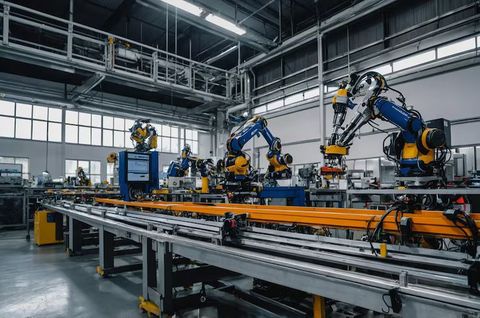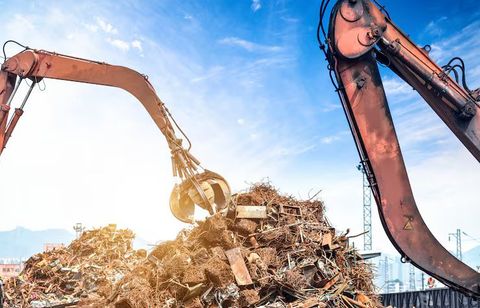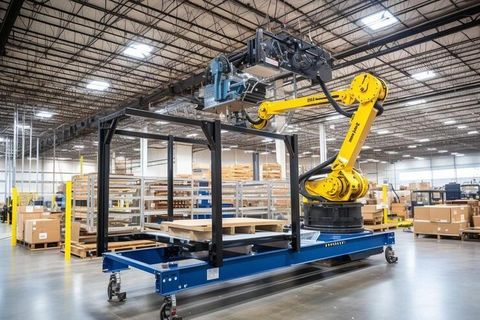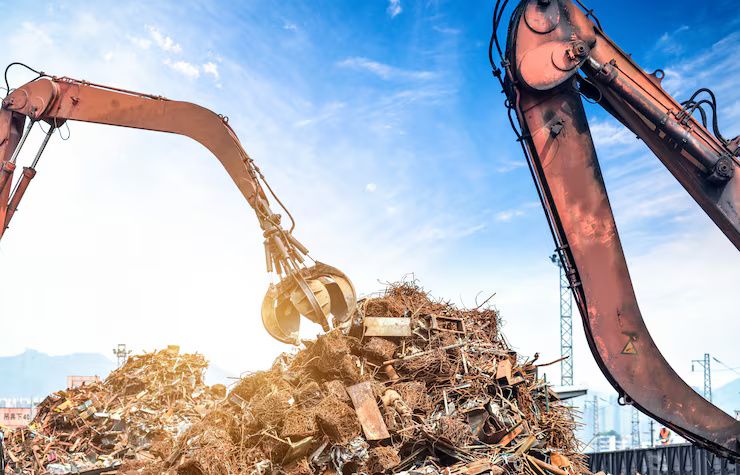
Industrial shredder machines are heavy-duty equipment designed to reduce the size of solid materials by cutting, tearing, or shearing them into smaller pieces. They are widely used in recycling facilities, manufacturing plants, waste management operations, mining, construction, plastics processing, metal recovery, wood processing, and industrial material handling. Shredding helps prepare materials for transportation, sorting, recycling, storage, and further processing.
Modern industrial shredder machines combine precision mechanical engineering, hydraulic technologies, automation, Industrial Internet of Things (IIoT), artificial intelligence, programmable logic controllers (PLCs), and digital monitoring systems. Global manufacturers and suppliers continue developing advanced shredding technologies that improve material processing efficiency, operational reliability, and production management across industrial sectors.
Context
What Are Industrial Shredder Machines?
Industrial shredder machines are industrial equipment designed to break down bulky or oversized materials into smaller, more manageable pieces using rotating shafts equipped with cutting blades or knives. Unlike crushers that primarily use compression or impact, shredders generally use slow-speed, high-torque cutting and shearing actions.
Industrial shredders commonly process:
- Plastic products
- Metal scrap
- Wood waste
- Paper and cardboard
- Rubber materials
- Electronic waste
- Textile materials
- Packaging waste
- Municipal solid waste
- Industrial production waste
The selected shredder depends on material type, processing capacity, particle size requirements, and production objectives.
How Industrial Shredder Machines Work
Industrial shredders operate through coordinated mechanical systems.
A typical shredding process includes:
- Materials enter the feed opening.
- Rotating shafts pull materials into the cutting chamber.
- Blades shear or tear the material.
- Reduced material exits through the discharge section.
- Conveyors transport processed material.
- Screening systems separate materials if required.
Digital monitoring systems continuously supervise machine operation throughout the shredding process.
Types of Industrial Shredder Machines
Different industries require different shredding technologies.
| Shredder Type | Primary Function | Typical Applications |
|---|---|---|
| Single-Shaft Shredder | Controlled material reduction | Plastics and wood |
| Dual-Shaft Shredder | Heavy-duty shredding | Metal and industrial waste |
| Four-Shaft Shredder | Fine particle reduction | Electronic waste and recycling |
| Horizontal Shredder | High-capacity processing | Wood processing |
| Vertical Shredder | Metal scrap processing | Recycling facilities |
| Tire Shredder | Rubber size reduction | Tire recycling |
Each shredder type is selected according to material characteristics and production requirements.
Manufacturing Processes
Industrial shredder manufacturing involves heavy engineering and precision fabrication.
Typical manufacturing stages include:
- Product design
- Heavy steel fabrication
- CNC machining
- Shaft manufacturing
- Blade production
- Heat treatment
- Hydraulic integration
- Mechanical assembly
- Electrical installation
- Automation programming
- Functional testing
- Quality inspection
Many production facilities use robotic welding, automated machining centers, and digital quality management systems throughout manufacturing.
Importance
Why Industrial Shredder Machines Matter
Many industrial materials must be reduced in size before recycling, transportation, sorting, storage, or additional processing. Industrial shredder machines help prepare these materials while supporting efficient material handling and organized production workflows.
Shredding also contributes to resource recovery and improved material utilization across numerous industries.
Supporting Shredding Technologies
Industrial shredder machines support many industrial activities.
Common applications include:
- Plastic recycling
- Metal recovery
- Wood processing
- Waste reduction
- Paper recycling
- Electronic waste processing
- Tire recycling
- Industrial waste management
Different materials require different blade configurations and machine designs.
Global Manufacturers and Suppliers
Industrial shredder manufacturers operate production facilities across North America, Europe, Asia-Pacific, the Middle East, Africa, and Latin America. Global manufacturers and suppliers produce shredders, conveyors, material handling systems, sorting equipment, automation platforms, and digital monitoring technologies for industrial processing.
Manufacturing activities commonly include:
- Heavy steel fabrication
- Precision machining
- Shaft balancing
- Blade manufacturing
- Hydraulic assembly
- Electrical integration
- Automation programming
- Equipment testing
- Quality verification
International supply networks support recycling facilities and industrial processing operations worldwide.
Industrial Applications
Industrial shredder machines support numerous industries.
Recycling: Shredders process plastics, metals, paper, electronic waste, and packaging materials before sorting and recycling.
Manufacturing: Production facilities shred manufacturing waste for internal material recovery and process management.
Waste Management: Municipal and industrial waste processing facilities reduce waste volume before transportation and treatment.
Construction: Demolition waste, wood materials, insulation products, and construction debris are processed for recycling and disposal.
Metal Processing: Scrap metal operations prepare aluminum, steel, copper, and mixed metals for downstream processing.
Advantages of Modern Industrial Shredder Machines
Modern shredding equipment provides several operational advantages.
These include:
- High material processing capacity
- Consistent particle size reduction
- Automated monitoring
- Digital production management
- Predictive maintenance capability
- Integration with recycling systems
Operational performance depends on material characteristics, blade condition, maintenance practices, and equipment configuration.
Recent Updates
Artificial Intelligence Integration
Between 2024 and 2026, industrial shredder machines have increasingly incorporated artificial intelligence to assist with production optimization, equipment diagnostics, blade wear analysis, and predictive maintenance.
AI evaluates operational information while plant personnel continue supervising material processing.
Smart Recycling Systems
Modern shredders increasingly communicate with:
- Industrial Internet of Things (IIoT) platforms
- Manufacturing Execution Systems (MES)
- Enterprise Resource Planning (ERP) systems
- Supervisory Control and Data Acquisition (SCADA) platforms
- Predictive maintenance software
- Digital plant monitoring systems
Connected technologies improve operational visibility across processing facilities.
Automated Material Handling
Modern shredding facilities continue expanding the use of:
- Automated conveyors
- Robotic sorting systems
- Optical material identification
- Magnetic separation technologies
- Intelligent feeding systems
- Digital production monitoring
These technologies improve coordination throughout recycling operations.
Machine Vision Technologies
Machine vision systems assist with:
- Material recognition
- Feed monitoring
- Object detection
- Production analysis
- Sorting verification
- Process monitoring
These systems improve material processing efficiency.
Energy-Efficient Equipment Design
Manufacturers continue developing improved drive systems, optimized cutting chambers, intelligent motor controls, and energy-efficient hydraulic technologies to improve equipment performance while reducing energy consumption.
Laws or Policies
Machinery Safety Regulations
Industrial shredder machines generally operate under machinery safety regulations covering machine guarding, emergency stop systems, electrical safety, operator protection, and maintenance procedures.
Applicable requirements vary by country and industrial sector.
Environmental Regulations
Recycling and waste processing facilities may operate under environmental requirements covering:
- Dust control
- Noise management
- Waste handling
- Air emissions
- Water management
Compliance requirements differ according to regional environmental authorities.
Quality Management Standards
Industrial shredder manufacturers commonly implement internationally recognized quality management systems covering engineering, manufacturing, inspection, testing, documentation, and continuous improvement.
Workplace Safety Procedures
Industrial facilities establish procedures covering:
- Equipment inspection
- Lockout and isolation
- Material handling
- Personal protective equipment
- Machine maintenance
- Emergency response
These procedures support safe shredding operations.
Tools and Resources
Plant Monitoring Software
Digital monitoring platforms assist with:
- Production monitoring
- Equipment status
- Throughput analysis
- Downtime reporting
- Performance dashboards
- Operational planning
These systems improve production management.
Predictive Maintenance Platforms
Maintenance software monitors:
- Shaft condition
- Blade wear
- Motor performance
- Hydraulic pressure
- Vibration levels
- Maintenance records
These platforms support planned maintenance activities.
Computer-Aided Design Software
Engineering software supports:
- Machine design
- Structural analysis
- Cutting chamber development
- Component engineering
- Technical documentation
These tools assist equipment development.
Asset Management Systems
Asset management platforms organize:
- Equipment inventories
- Maintenance schedules
- Spare component records
- Inspection documentation
- Equipment lifecycle management
These systems improve equipment administration.
Educational Resources
People interested in industrial shredder machines often learn from:
- Recycling engineering organizations
- Manufacturing associations
- Waste management institutions
- International standards organizations
- Technical education platforms
- Industrial engineering journals
These resources explain shredding technologies, manufacturing processes, recycling systems, and industrial applications.
FAQs
What are industrial shredder machines?
Industrial shredder machines are heavy-duty equipment designed to reduce the size of materials by cutting, tearing, or shearing them into smaller pieces for recycling, waste processing, or manufacturing applications.
What are the main types of industrial shredder machines?
Common types include single-shaft shredders, dual-shaft shredders, four-shaft shredders, horizontal shredders, vertical shredders, and tire shredders.
Which industries commonly use industrial shredder machines?
Industrial shredder machines are widely used in recycling, manufacturing, waste management, construction, plastics processing, metal recovery, wood processing, and electronic waste recycling.
How are industrial shredder machines manufactured?
Industrial shredder machines are manufactured through engineering design, heavy steel fabrication, CNC machining, blade production, hydraulic integration, automation programming, testing, and quality inspection.
Why are industrial shredder machines important for industrial applications?
Industrial shredder machines prepare materials for recycling, transportation, sorting, storage, and additional processing while supporting efficient material management across industrial sectors.
Conclusion
Industrial shredder machines are essential equipment for recycling, manufacturing, waste management, and material processing industries. Through advanced shredding technologies, precision manufacturing processes, automation, and digital monitoring systems, these machines support efficient material reduction and organized industrial operations. As smart manufacturing and connected industrial technologies continue advancing, industrial shredder machines remain an important component of modern material processing and resource recovery.