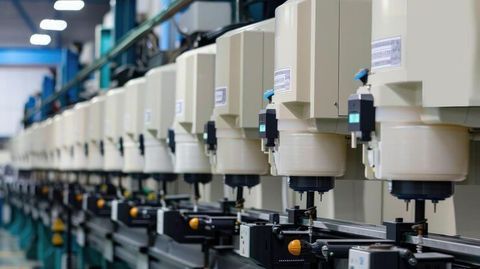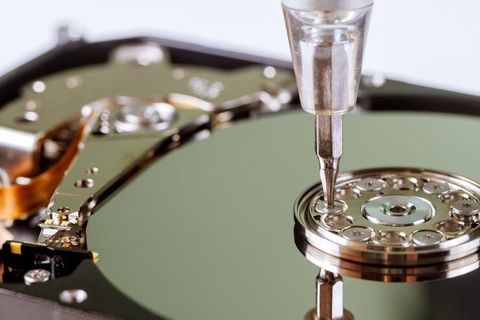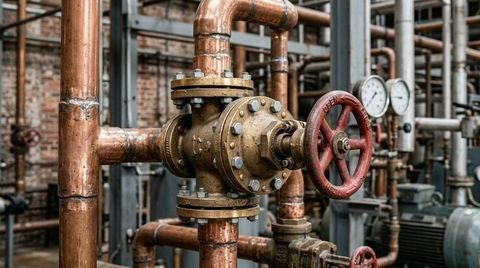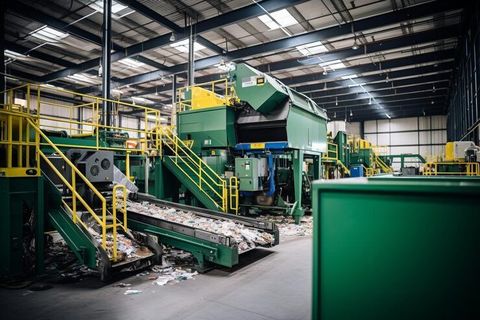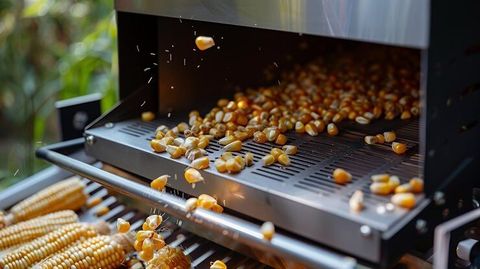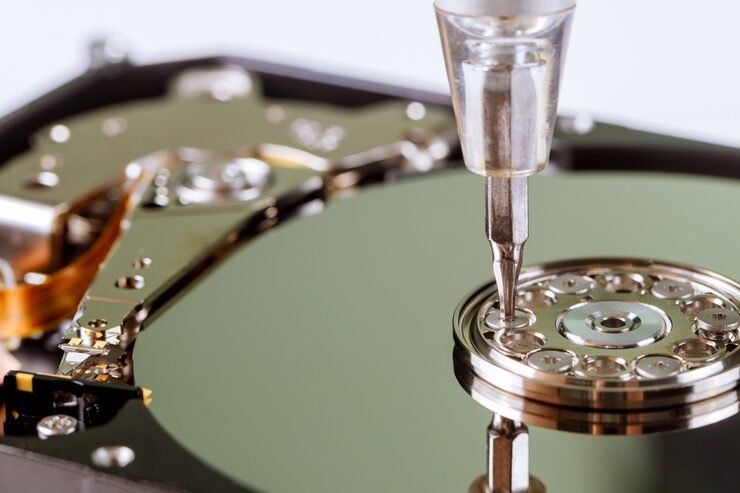
High-throughput processing refers to industrial and laboratory production approaches designed to process large quantities of materials, samples, products, or data within a defined period. These systems combine high-capacity equipment, continuous or automated processing, material-handling technologies, process controls, and monitoring systems to increase throughput while maintaining consistent operating conditions.
High-throughput processing is used across manufacturing, pharmaceuticals, biotechnology, food processing, chemicals, electronics, materials processing, logistics, and laboratory environments. System design depends on the material being processed, required capacity, process sequence, automation level, quality requirements, and operating conditions.
Why High-Throughput Processing Matters
High-throughput systems are designed around efficient material or sample movement through multiple processing stages. Instead of relying entirely on manual operations or isolated machines, facilities can connect equipment into coordinated processing lines.
Potential advantages include:
Higher production capacity
Consistent process conditions
Automated material handling
Reduced manual intervention
Continuous process monitoring
Improved production repeatability
Faster sample or material processing
Integration with industrial control systems
Throughput requirements vary considerably by application, so equipment should be matched to the characteristics of the process and material.
Types of High-Throughput Processing
Continuous Processing
Continuous processing moves materials through a production system without stopping between individual batches. It is commonly used in chemical, food, pharmaceutical, and materials-processing operations.
Batch Processing
Batch processing handles defined quantities of material in separate production cycles. Automation can coordinate loading, processing, monitoring, discharge, and cleaning between batches.
High-Throughput Sample Processing
Laboratories and biotechnology facilities use automated systems to process large numbers of samples. Robotic liquid handling, automated preparation, detection, and data systems can operate together.
High-Speed Manufacturing
High-speed manufacturing systems combine fast production equipment with automated feeding, positioning, inspection, and material handling.
High-Volume Material Processing
Mining, chemical, plastics, food, and other industries use high-capacity systems for crushing, mixing, grinding, conveying, separating, drying, or other material-processing operations.
High-Throughput Processing Technologies
Automated Material Handling
Conveyors, robotic arms, automated guided vehicles, pumps, feeders, and transfer systems move materials between processing stages.
Robotics
Industrial robots can perform repetitive loading, unloading, sorting, assembly, packaging, palletizing, and inspection operations.
Process Automation
Programmable logic controllers, distributed control systems, sensors, actuators, and industrial networks coordinate multiple production stages.
Machine Vision
Machine vision systems use cameras, lighting, image processing, and software to inspect products and guide automated equipment.
Digital Process Monitoring
Industrial sensors continuously collect information about temperature, pressure, flow, speed, vibration, weight, level, and other process variables.
Advanced Process Control
Control algorithms can adjust operating parameters according to real-time process information. This can help maintain consistent conditions as production loads change.
High-Throughput Processing Equipment
Conveyors
Conveyors provide continuous movement of materials and products between processing stations.
Common types include belt conveyors, roller conveyors, screw conveyors, chain conveyors, and pneumatic conveying systems.
Pumps
Industrial pumps move liquids through high-throughput processing systems. Centrifugal, positive-displacement, diaphragm, and other pump technologies can be selected according to fluid properties and process requirements.
Mixers and Blenders
High-capacity mixers and blenders combine materials according to specified formulations and process conditions.
Industrial Reactors
Chemical and pharmaceutical processing can use reactors for controlled chemical or biological processes.
Separation Equipment
Centrifuges, filters, cyclones, membrane systems, and other technologies separate materials according to particle size, density, phase, or other characteristics.
Industrial Ovens and Dryers
High-throughput thermal equipment can heat or dry large quantities of materials continuously or in controlled batches.
Automated Packaging Equipment
Packaging lines can integrate filling, weighing, labeling, sealing, inspection, case packing, and palletizing equipment.
Automation Architecture
A high-throughput processing system typically contains several automation layers.
Sensors
Sensors measure variables such as temperature, pressure, flow, level, speed, weight, position, and product characteristics.
PLCs
Programmable logic controllers coordinate machines, sensors, actuators, motors, valves, and safety systems.
HMIs
Human-machine interfaces provide operators with process information, alarms, equipment status, and control functions.
SCADA Systems
Supervisory control and data acquisition systems can collect process information from multiple machines and provide centralized monitoring.
Industrial Networks
Industrial Ethernet and fieldbus technologies allow equipment, controllers, sensors, and supervisory systems to exchange information.
Manufacturing Software
Manufacturing execution systems can connect production operations with scheduling, quality management, traceability, inventory, and production records.
Manufacturing Processes for High-Throughput Equipment
1. System Engineering
Engineers define throughput requirements, process sequences, equipment capacity, material characteristics, automation architecture, and facility constraints.
2. Equipment Design
Computer-aided design and engineering analysis are used to develop machine frames, processing chambers, conveyors, piping, electrical systems, and automation components.
3. Material Selection
Materials can include carbon steel, stainless steel, aluminum, engineering plastics, and specialized alloys.
Selection depends on temperature, corrosion, pressure, wear, hygiene, and material compatibility.
4. Component Manufacturing
Components may undergo cutting, forming, machining, welding, casting, molding, grinding, and surface finishing.
5. Equipment Assembly
Mechanical, electrical, hydraulic, pneumatic, and control components are assembled into individual machines or integrated processing modules.
6. Automation Integration
Sensors, motors, drives, PLCs, HMIs, safety systems, robotics, and communication equipment are configured and connected.
7. Factory Testing
Manufacturers can conduct functional testing, process simulations, electrical testing, safety checks, throughput verification, and control-system testing.
8. Installation and Commissioning
The completed system is installed at the operating facility, connected to utilities and upstream/downstream equipment, and commissioned under defined operating conditions.
Industrial Applications
Pharmaceutical Manufacturing
High-throughput processing systems can support formulation, mixing, filling, packaging, inspection, and material handling.
Biotechnology
Automated systems can process large numbers of samples, perform liquid handling, prepare materials, and integrate laboratory instruments.
Food Processing
Food manufacturers use high-throughput equipment for washing, sorting, cutting, mixing, cooking, filling, packaging, and inspection.
Chemical Processing
Chemical facilities use continuous reactors, pumps, mixers, separators, heat exchangers, dryers, and automated control systems.
Plastics Manufacturing
High-throughput systems can support extrusion, compounding, molding, pelletizing, material handling, and packaging.
Electronics Manufacturing
Automated production systems perform component placement, assembly, soldering, inspection, testing, and packaging at high production volumes.
Mining and Minerals Processing
Large-scale equipment handles crushing, grinding, screening, conveying, separation, and material transfer.
Automotive Manufacturing
High-throughput production lines integrate robots, conveyors, machining systems, inspection equipment, assembly stations, and material-handling technologies.
High-Throughput Processing System Comparison
| System Type | Main Function | Typical Application |
|---|---|---|
| Continuous processing | Continuous material flow | Chemical production |
| Batch processing | Defined production cycles | Pharmaceutical processing |
| Automated sample processing | High-volume sample handling | Laboratories |
| High-speed manufacturing | Rapid production | Electronics and automotive |
| Material processing | Large-volume processing | Mining and materials |
| Automated packaging | High-volume packaging | Food and consumer products |
Factors to Consider When Selecting High-Throughput Equipment
Required Throughput
Determine the required processing volume per hour, shift, day, or production cycle.
Material Characteristics
Particle size, viscosity, density, temperature, moisture, chemical properties, and sensitivity can influence equipment selection.
Automation Level
Facilities should determine which operations require manual, semi-automated, or fully automated processing.
Equipment Integration
Machines must communicate and operate correctly with upstream and downstream systems.
Process Control
Sensors and control systems should provide sufficient monitoring and adjustment capabilities for the application.
Maintenance
High-throughput equipment requires planned inspection, lubrication, cleaning, calibration, component replacement, and preventive maintenance.
Scalability
Modular equipment and expandable automation architectures can make it easier to increase capacity as production requirements change.
Future Trends in High-Throughput Processing
High-throughput processing is increasingly connected with smart manufacturing technologies. Industrial IoT sensors can provide real-time information about equipment and process conditions.
Artificial intelligence can analyze production data to identify process variations, equipment abnormalities, and potential quality issues. Machine vision can automate inspection and classification tasks.
Digital twins can also simulate production processes and equipment behavior before physical changes are implemented. Robotics, autonomous material handling, and advanced process-control technologies are further expanding automation capabilities.
FAQs
What is high-throughput processing?
High-throughput processing is an approach designed to process large quantities of materials, products, or samples efficiently within a defined period using high-capacity equipment, automation, and process-control technologies.
What equipment is used in high-throughput processing?
Equipment can include conveyors, pumps, mixers, reactors, separators, dryers, ovens, packaging machines, robots, inspection systems, and automated control equipment.
What is the difference between continuous and batch processing?
Continuous processing moves materials through a system continuously, while batch processing handles defined quantities during individual production cycles.
How does automation support high-throughput processing?
Automation coordinates equipment, sensors, robotics, controls, material handling, inspection, and data collection to support consistent and high-volume processing.
Where is high-throughput processing used?
It is used in pharmaceutical manufacturing, biotechnology, food processing, chemicals, plastics, electronics, automotive production, mining, materials processing, and laboratory environments.
Conclusion
High-throughput processing combines high-capacity equipment, automation, material handling, process control, inspection, and monitoring technologies to support large-scale production and sample processing. Continuous systems, batch equipment, robotics, pumps, conveyors, reactors, separation equipment, and automated packaging technologies can all form part of a high-throughput operation.
The appropriate system depends on throughput requirements, material characteristics, process conditions, automation needs, equipment integration, maintenance requirements, and future scalability. Advances in industrial IoT, robotics, machine vision, artificial intelligence, digital twins, and advanced process control are continuing to expand the capabilities of high-throughput processing systems.