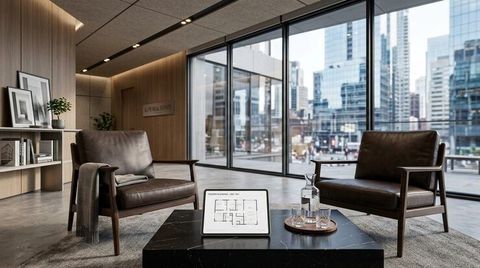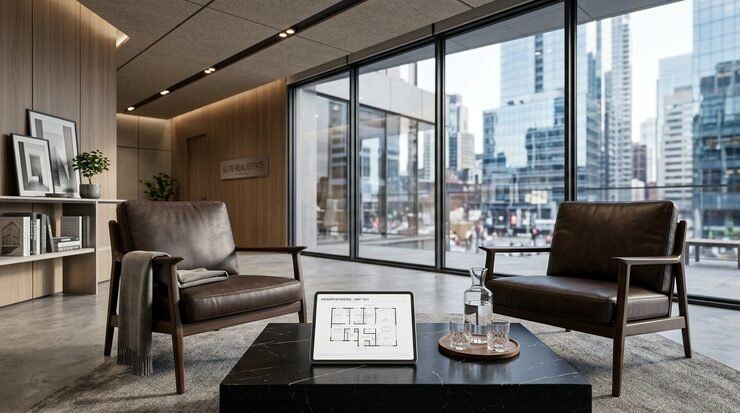
Corporate housing rentals provide furnished residential accommodation for professionals, employees, consultants, project teams, relocating households, and business travelers who need temporary housing away from their primary residence. Unlike conventional short hotel stays, corporate housing typically provides a residential environment with features such as a kitchen, living area, bedroom, workspace, laundry facilities, and longer rental periods.
Corporate housing can range from furnished apartments in large residential buildings to standalone homes, condominiums, extended-stay residences, and executive apartments. Rental duration can vary from several weeks to several months depending on the assignment, relocation, project, or business requirement.
What Are Corporate Housing Rentals?
Corporate housing rentals are furnished residential properties intended for temporary or medium-term occupancy, frequently used by businesses and professionals.
A typical corporate apartment may include:
Bedroom and living area
Fully equipped kitchen
Furniture
Internet connectivity
Television
Kitchen appliances
Linens and household items
Laundry facilities
Workspace
Utilities
The exact package varies by provider, property, city, and rental agreement.
Corporate housing is commonly used when a traveler needs more space and residential functionality than a conventional hotel room provides.
How Corporate Housing Rentals Work
The rental process generally involves several stages.
1. Determine the Housing Requirement
The renter or company identifies the destination, number of occupants, required bedrooms, expected stay, preferred neighborhood, and amenities.
2. Select a Property
Properties can include furnished apartments, condominiums, townhomes, extended-stay residences, or houses.
3. Review the Rental Terms
The agreement typically identifies the rental period, included utilities, furnishings, deposit requirements, occupancy rules, maintenance responsibilities, and other conditions.
4. Move Into the Furnished Residence
Because the property is furnished, occupants can generally move into a prepared residential environment without arranging all major household furnishings themselves.
5. Check Out
At the end of the agreed period, the occupant returns the property according to the rental agreement.
Major Types of Corporate Housing
Furnished Corporate Apartments
Furnished apartments are one of the most common corporate housing formats.
They can range from studios and one-bedroom units to larger two- or three-bedroom apartments.
Executive Apartments
Executive apartments are typically designed around the needs of business professionals and may include upgraded furniture, dedicated workspaces, enhanced connectivity, and building amenities.
Corporate Houses
Standalone houses can accommodate employees or families who need more bedrooms, private outdoor areas, garages, and additional living space.
Extended-Stay Residences
Extended-stay properties combine some characteristics of hotels with residential amenities.
They may include kitchens or kitchenettes, housekeeping, front-desk operations, fitness facilities, and other hospitality services.
Corporate Condominiums
Furnished condominiums can provide residential accommodation within buildings that offer shared amenities such as gyms, pools, lounges, parking, and security systems.
Corporate Housing Rental Durations
Corporate housing is generally associated with temporary or medium-term stays, although actual rental periods vary.
| Rental Situation | Typical Housing Requirement |
|---|---|
| Business Trip | Short temporary accommodation |
| Project Assignment | Housing for the project duration |
| Employee Relocation | Transitional residential accommodation |
| Training Program | Temporary furnished apartment |
| Consulting Assignment | Flexible medium-term housing |
| Construction Project | Accommodation near the work location |
| Temporary Office Transfer | Residential housing during assignment |
| Insurance Relocation | Temporary housing during property restoration |
The actual minimum stay and lease flexibility depend on the provider and local regulations.
Amenities in Corporate Housing
Corporate housing properties often provide amenities intended to support normal residential living.
Furnished Living Spaces
Apartments generally include sofas, tables, chairs, beds, wardrobes, and other essential furniture.
Kitchens
Many corporate apartments include kitchens equipped with appliances such as:
Refrigerator
Oven or cooktop
Microwave
Dishwasher
Coffee equipment
Cooking utensils
Dishes and cutlery
Internet Connectivity
Reliable internet is particularly important for remote work, video conferencing, cloud applications, and communication.
Workspace
A desk or dedicated workspace can support professionals working from the apartment.
Laundry
Properties may include in-unit washers and dryers or access to shared laundry facilities.
Building Amenities
Depending on the property, amenities can include:
Fitness centers
Swimming pools
Parking
Business centers
Common lounges
Outdoor spaces
Security systems
Corporate Housing Locations
Corporate housing is available in many major business and employment centers.
New York City
Corporate apartments can be found near Manhattan business districts, transportation hubs, and surrounding residential areas.
Chicago
Chicago has corporate housing options near the Loop, River North, West Loop, and other commercial and residential areas.
Los Angeles
Corporate housing is used by professionals working across entertainment, technology, healthcare, aerospace, and other industries.
San Francisco Bay Area
Technology, finance, healthcare, and consulting professionals can use furnished housing during temporary assignments.
Dallas
Dallas and surrounding business districts have furnished apartment and corporate accommodation options for employees and project teams.
Houston
Corporate housing can support professionals working in energy, healthcare, engineering, construction, and other industries.
Washington, D.C.
Temporary furnished accommodation can be relevant for consultants, government contractors, business travelers, and relocating employees.
Miami
Corporate housing can serve professionals and companies requiring temporary accommodation in business and commercial areas.
Corporate Housing for Business Travel
Corporate housing can support several types of business travel.
Employee Relocation
Employees moving to a new city can use furnished housing while searching for permanent accommodation.
Project Assignments
Employees working on construction, engineering, technology, infrastructure, or consulting projects can use temporary housing near the project location.
Corporate Training
Companies can arrange furnished apartments for employees attending training programs lasting several weeks or longer.
Temporary Office Transfers
Employees temporarily assigned to another office can use corporate housing during the assignment.
Business Expansion
Companies entering new markets may arrange temporary accommodation for employees establishing operations in a new location.
Corporate Housing vs Hotels
| Feature | Corporate Housing | Hotel |
|---|---|---|
| Space | Residential layout | Typically compact guest room |
| Kitchen | Often included | Usually limited or unavailable |
| Living Area | Common | Often integrated with bedroom |
| Stay Duration | Often medium-term | Commonly short-term |
| Furniture | Fully furnished | Hotel furnishings |
| Workspace | Often available | Varies |
| Laundry | Often available | Usually shared or external |
| Residential Environment | High | Lower |
| Utilities | May be bundled | Generally included |
Neither format is suitable for every situation. The appropriate choice depends on stay duration, location, space requirements, amenities, and rental terms.
Factors Affecting Corporate Housing Rental Rates
Corporate housing rates vary significantly between markets and properties.
Important factors include:
Location
Properties close to central business districts, transportation hubs, major employment centers, and popular neighborhoods may have different rental rates from properties in surrounding areas.
Apartment Size
Studios, one-bedroom, two-bedroom, and three-bedroom units have different rental structures.
Rental Duration
Some providers adjust rates according to the length of the stay.
Furnishing Level
Furniture, appliances, kitchen equipment, linens, technology, and other inclusions can affect the total rental amount.
Amenities
Building facilities such as parking, fitness centers, pools, lounges, and security can influence the rental structure.
Utilities
Some agreements include electricity, water, internet, and other utilities, while others treat them separately.
How to Choose Corporate Housing
A structured comparison can help companies and travelers identify suitable accommodation.
1. Define the Stay Duration
Determine the expected arrival and departure dates before comparing properties.
2. Identify the Required Space
Consider the number of occupants, bedrooms, workspace requirements, storage, and living-area needs.
3. Choose the Location
Compare commute times, public transportation, proximity to the workplace, airports, restaurants, and essential services.
4. Review Included Amenities
Check whether internet, utilities, parking, laundry, kitchen equipment, furniture, and other essentials are included.
5. Examine Rental Terms
Review deposits, cancellation policies, extensions, maintenance responsibilities, occupancy rules, and other contractual conditions.
6. Verify the Property
Before occupancy, review the property's condition, furnishings, appliances, security arrangements, and available services.
Corporate Housing Providers
The corporate housing market includes specialized furnished-housing companies, apartment operators, relocation providers, extended-stay operators, and property-management companies.
Examples of companies active in the broader furnished and extended-stay accommodation market include:
Blueground
Landing
Sonder
Oakwood
Provider availability and property inventory vary by city and date. Companies arranging housing for employees may also work with relocation-management companies and specialized corporate housing networks.
Corporate Housing for Different Occupants
Individual Business Travelers
A furnished studio or one-bedroom apartment may provide a residential environment for an individual professional.
Couples
One-bedroom or larger apartments can provide separate sleeping and living spaces.
Families
Two- and three-bedroom apartments or houses can accommodate families relocating or traveling for extended periods.
Project Teams
Multiple apartments in the same building or nearby properties can accommodate employees working on the same project.
Important Rental Agreement Considerations
Before signing a corporate housing agreement, occupants should review:
Rental duration
Extension conditions
Deposit requirements
Cancellation terms
Utilities
Internet
Parking
Cleaning arrangements
Maintenance responsibilities
Occupancy limits
Pet policies
Furnishing inventory
Damage procedures
Companies arranging accommodation for employees should also establish clear responsibility for payments, extensions, and property-related issues.
Frequently Asked Questions
1. What is corporate housing?
Corporate housing is furnished temporary accommodation designed for professionals, employees, business travelers, relocating households, and other occupants who need residential housing away from their primary home.
2. How long can corporate housing be rented?
Rental periods vary by provider and location. Corporate housing is commonly used for stays lasting several weeks or months, but specific minimum and maximum periods depend on the property and agreement.
3. What is included in corporate housing?
Depending on the property, corporate housing can include furniture, kitchen appliances, linens, internet, utilities, laundry facilities, workspace, parking, and access to building amenities.
4. Is corporate housing different from a hotel?
Yes. Corporate housing generally provides a residential apartment or house with a kitchen, living space, and furnishings, while hotels primarily provide guest rooms and hospitality facilities.
5. Who uses corporate housing?
Employees relocating to another city, consultants, project workers, business travelers, trainees, temporary office transferees, and families requiring temporary accommodation can use corporate housing.
Conclusion
Corporate housing rentals provide furnished residential accommodation for professionals, employees, families, consultants, and business travelers who require temporary housing. Options range from compact furnished apartments and executive residences to larger condominiums and houses.
The main advantages of the format are residential space, furnished interiors, kitchens, work areas, laundry facilities, and flexible accommodation arrangements. Availability and rental terms vary substantially between cities and properties.
When evaluating corporate housing, occupants and companies should consider location, rental duration, apartment size, furnishings, internet, utilities, parking, amenities, transportation access, and agreement conditions. Careful comparison of these factors can help align the accommodation with the practical requirements of a business assignment or temporary relocation.