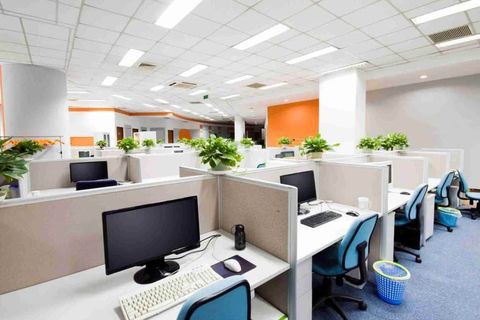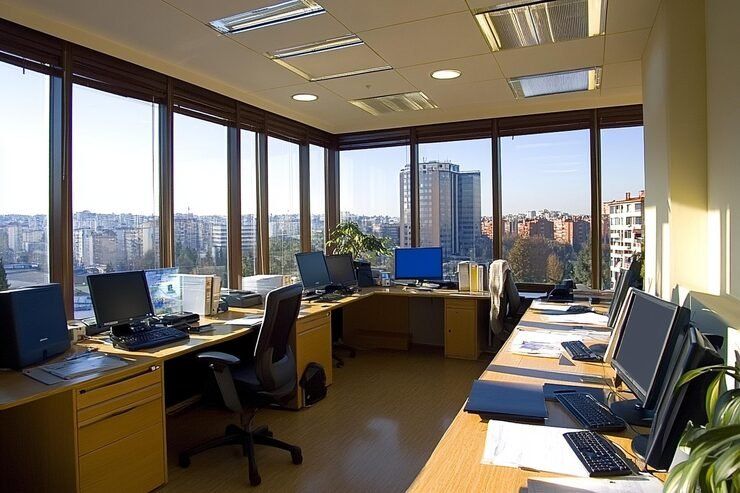
Office rental in Bengaluru is an important part of the city's commercial property market. Bengaluru, located in Karnataka, is known for its information technology companies, startup ecosystem, research institutions, consulting firms, and multinational businesses. These activities create demand for different types of office spaces, ranging from small private offices to large corporate workplaces.
Businesses may choose rented offices to establish a local presence, accommodate employees, meet clients, or coordinate daily operations. Renting allows an organization to occupy a commercial property without purchasing the building. The suitability of an office depends on its location, size, lease conditions, accessibility, and infrastructure.
Office spaces in Bengaluru are available in business districts, technology corridors, central commercial areas, and developing neighborhoods. Each location has different characteristics, including commuting options, building facilities, nearby amenities, and the type of businesses operating in the area.
Common types of office spaces
Office rental arrangements vary according to business size and working requirements.
Private office: A dedicated workspace within a commercial building, suitable for companies that need privacy and control over their working environment.
Coworking space: A shared workplace used by individuals, small teams, and businesses that prefer flexible occupancy arrangements.
Managed office: A workspace with facilities such as internet connectivity, furniture, reception, and meeting rooms arranged according to an agreed plan.
Conventional commercial office: A separately leased office unit that may require the tenant to arrange furniture, equipment, and other operational facilities.
Virtual office: A business address arrangement that may include selected administrative facilities without providing a permanently occupied private workspace. Its permitted uses depend on the agreement and applicable regulations.
These categories differ in their lease terms, included facilities, privacy, and management responsibilities.
Importance of Office Rental in Bengaluru
Bengaluru's employment centers and commercial districts influence where businesses establish their offices. A suitable location can affect employee commuting, client access, collaboration, and day-to-day operations.
Companies also consider how much space they need. A small consulting firm may require a few desks and a meeting room, while a technology company may need dedicated work areas, secure networks, conference facilities, and space for future expansion.
Major office locations in Bengaluru
Different commercial areas serve different business requirements.
Outer Ring Road: The stretch around Bellandur, Kadubeesanahalli, and Marathahalli contains significant office development, including technology-oriented workplaces. Traffic congestion and employee commuting patterns are important considerations.
Whitefield: This eastern Bengaluru district has technology parks, commercial buildings, residential neighborhoods, and access to the Namma Metro network. It is relevant to companies with employees or clients in the eastern corridor.
Electronic City: Located in southern Bengaluru, Electronic City is associated with technology companies, industrial activity, and established business campuses. It may suit organizations whose operations are connected to this employment hub.
Indiranagar: This neighborhood combines commercial activity, restaurants, retail outlets, and residential areas. Smaller offices and creative businesses may consider it when accessibility and the surrounding environment matter.
Central Business District: Areas around MG Road, Residency Road, and Richmond Road include established commercial buildings and offices. Businesses seeking proximity to central commercial facilities may evaluate these locations.
Hebbal and Manyata Tech Park area: Northern Bengaluru contains technology campuses, commercial developments, and connections to important road corridors. It may be relevant for companies operating near the northern employment hubs.
Factors that influence rental decisions
Office selection involves more than the advertised monthly rent. Businesses generally assess the total occupancy requirements and the suitability of the premises.
Location and commuting: Distance from employees, public transport, major roads, and client destinations.
Office size: Usable floor area, seating capacity, meeting rooms, and shared facilities.
Building infrastructure: Elevators, backup power, air conditioning, internet availability, and security arrangements.
Lease conditions: Agreement duration, deposit, rent escalation, renewal provisions, and exit conditions.
Additional charges: Maintenance fees, parking charges, utilities, taxes, and fit-out expenses where applicable.
Future requirements: Possibilities for expansion, changes in team size, or relocation.
A careful comparison of these factors helps businesses understand the practical differences between available premises.
Recent Trends in Bengaluru's Office Rental Market
Bengaluru's commercial property market has been influenced by technology-sector activity, changing workplace arrangements, infrastructure development, and demand for flexible office occupancy. Companies continue to evaluate how much office space they need and where employees can reach it conveniently.
Flexible and managed workplaces
Flexible workspaces have become an established option for startups, project teams, consultants, and companies entering a new market. These arrangements can reduce the amount of initial fit-out coordination required, depending on the facilities included in the agreement.
Managed offices may provide furniture, meeting rooms, internet connectivity, reception facilities, and shared amenities. However, the exact inclusions, occupancy rules, and agreement terms differ between buildings and operators.
Demand for technology-oriented office locations
Technology corridors such as Outer Ring Road, Whitefield, and Electronic City remain important areas for office planning. Businesses may consider proximity to technology parks, talent pools, residential areas, and transport infrastructure when evaluating these districts.
The impact of metro connectivity and road improvements varies by specific building and route. A nearby transport station does not necessarily mean that the entire commute will be convenient, so the actual journey should be considered.
Hybrid working and space planning
Hybrid working arrangements have encouraged some organizations to reassess desk counts, meeting rooms, and shared work areas. Some businesses use a smaller permanent office supplemented by flexible workspace, while others retain dedicated premises for collaboration and operational requirements.
Demand, rental levels, vacancy, and available building specifications can change over time. Market conditions should therefore be evaluated using recent local evidence rather than assuming that every Bengaluru neighborhood follows the same pattern.
Laws and Regulations
Commercial office rental in Bengaluru is governed by applicable property, contract, taxation, building safety, and municipal requirements. The exact obligations depend on the property, the parties involved, the agreement structure, and the intended use of the premises.
Commercial lease agreements
A written lease or rental agreement typically specifies the property, permitted use, monthly rent, security deposit, agreement period, maintenance responsibilities, renewal terms, and conditions for termination.
Businesses should examine whether the agreement permits their intended activities, including signage, customer visits, equipment installation, and changes to the interior. Clauses covering rent escalation, repairs, early exit, and the return of the security deposit also deserve attention.
Registration and stamp-duty requirements depend on the agreement and applicable law. Longer leases may have different legal requirements from shorter occupancy arrangements.
Karnataka and Bengaluru compliance
Businesses may need to consider the following matters:
Karnataka Stamp Act and registration requirements applicable to the agreement.
Goods and Services Tax (GST) rules where applicable to commercial property rentals.
Building approvals, occupancy permissions, fire safety requirements, and permitted property use.
Applicable municipal requirements and property-related documentation.
Karnataka Shops and Commercial Establishments requirements where relevant to the business.
The specific rules depend on the nature of the premises and the business. A commercial address alone does not establish that every proposed activity is permitted.
Documents to examine before occupancy
Relevant documents may include the landlord's ownership or authorization records, the lease agreement, applicable building approvals, and information about maintenance charges and utility arrangements. Businesses may also need documents supporting their registered business address, depending on the registration or licensing process involved.
Tools and Resources for Office Rental Planning
Businesses can use structured comparisons and financial planning tools to evaluate office options in Bengaluru.
Office comparison checklist
A simple comparison sheet can record the following information for each property:
Factor | Information to record |
|---|---|
Location | Business district and nearby transport |
Office area | Carpet area and stated built-up area |
Monthly rent | Contractual monthly amount |
Security deposit | Amount and refund conditions |
Maintenance | Monthly charges and inclusions |
Lease duration | Initial term and renewal conditions |
Fit-out | Furniture, partitions, and setup requirements |
Facilities | Parking, power backup, internet, and meeting rooms |
Accessibility | Employee commute and visitor access |
Budget and occupancy planning
An office budget should account for more than monthly rent. It may include the security deposit, interior work, furniture, utilities, maintenance, connectivity, insurance, and relocation expenses.
Businesses can estimate the effective monthly occupancy expenditure by distributing one-time setup expenses across an appropriate planning period and adding recurring charges. This is an internal planning estimate rather than a complete measure of the property's financial value.
Frequently Asked Questions
Which areas are commonly considered for office rental in Bengaluru?
Outer Ring Road, Whitefield, Electronic City, Indiranagar, the Central Business District, and the Hebbal area are among the locations businesses may evaluate. The appropriate area depends on employee commuting, client access, office requirements, and the available budget.
What types of office spaces are available in Bengaluru?
Options include conventional commercial offices, private offices, coworking spaces, managed offices, and virtual office arrangements. Their facilities, occupancy terms, and permitted uses differ.
What expenses should be considered when renting an office?
Businesses should review monthly rent, the security deposit, maintenance charges, utilities, parking, interior setup, and applicable taxes. The lease agreement determines which expenses are included and which are payable separately.
What documents are important when renting a commercial office?
Important documents may include ownership or authorization records, the rental agreement, relevant building approvals, and details of maintenance and utility arrangements. Additional documentation may be required for business registration or particular regulated activities.
How can a business choose a suitable office location?
A business can compare locations by employee commute, transport access, required floor area, infrastructure, lease flexibility, and total occupancy expenditure. Visiting the premises and reviewing the agreement helps clarify practical limitations.
Conclusion
Office rental in Bengaluru includes conventional commercial premises, coworking spaces, managed offices, and other occupancy arrangements. Important locations include Outer Ring Road, Whitefield, Electronic City, Indiranagar, central Bengaluru, and the Hebbal area. A suitable office depends on location, infrastructure, lease terms, employee accessibility, and the full range of occupancy expenses. Understanding the applicable documentation and regulatory requirements helps businesses assess office arrangements more systematically.